One of the most underrated questions that I wish more couples would ask is:
“Our venue includes a coordinator—do we still need a wedding coordinator?”
It’s an important question. The confusion around these roles is incredibly common, especially when you’re juggling dozens of decisions and trying to stay within budget. It’s so common that many couples don’t know to even ask this question. But after photographing many weddings across the Puget Sound, I can confidently say that understanding the difference between a venue coordinator and a wedding coordinator can dramatically change how you experience your wedding day.
To help explain this distinction clearly and honestly, I reached out to three experienced local wedding professionals—each of whom works closely with venues, vendors, and couples throughout the Puget Sound region:
While their approaches are unique, there’s a strong thread of agreement in what they see most often—and where couples are frequently caught off guard.

Venue Coordinator vs. Wedding Coordinator: The Scope Is the Difference
Chloe Hix of CME Experience sees the same misconception come up again and again: couples assume venue coordinators and wedding coordinators offer the same level of support.
“The biggest misconception is that a venue coordinator and a wedding coordinator provide the same level of support on the wedding day.”
In reality, Chloe explains, the distinction isn’t about effort—it’s about responsibility. Venue coordinators are focused on the venue itself: managing access, enforcing policies, overseeing the space, and ensuring everything related to the property runs as intended.
Wedding coordinators take on a much broader role. Their focus is the couple’s entire experience—how the day flows, how it feels, and how well the plan holds up when real life inevitably intervenes.
“Venue coordinators protect the venue. Wedding coordinators protect the experience.”
This difference often becomes most obvious on the wedding day, when couples realize there’s no one assigned to manage the full timeline, field vendor questions, or quietly solve problems as they arise.
What Couples Expect vs. What Venues Usually Provide
Victoria Martens of VEVENTS often works with couples who are surprised by what their venue’s “included coordinator” actually covers.
Couples frequently expect that role to handle things like timeline creation, vendor management, setup and teardown, and overall flow of the day. In reality, Victoria explains, venues often include only a portion of that support—commonly floor plans, venue-related logistics, and vendor referrals.
One area where this gap becomes especially noticeable is setup.
Victoria encourages couples to ask very specific questions early on—particularly around what labor is included.
“Often we’ve heard stories of folks arriving at the venue to find out that while the tables, chairs, linens, etc. are included… the labor to set them up is not.”
When those details aren’t clarified, couples can find themselves scrambling for help on the wedding day, which can delay vendor setup and throw off the entire timeline.

Why Wedding Days Flow Better with a Dedicated Coordinator
Victoria describes the role of a wedding coordinator as being the central point of control for the day—handling questions, anticipating next steps, and keeping everything moving forward.
“We basically put a bubble around our couple and protect them from a barrage of questions.”
That “bubble” allows couples to stay present instead of being pulled into logistics. Timeline management, in particular, is one of the most underestimated challenges on a wedding day. Keeping things on track requires constant attention, anticipation, and communication with vendors.
From cueing vendors to smoothing transitions between events, that behind-the-scenes oversight is what keeps the day from feeling rushed—or chaotic.
Anticipation, Advocacy, and Emotional Support
For Lauren Jensen of Gather Well Events, the value of a wedding coordinator goes far beyond logistics.
Lauren works long days—often from the beginning of getting ready through the end of the reception—she says her couples are her priority, “I’m an advocate for couples and a venue coordinator is an advocate for the venue.”
Because she’s involved deeply in the planning process, Lauren understands not only the timeline, but also the emotional dynamics at play. She knows family relationships, personal sensitivities, and what matters most to the couple—details that don’t always appear on a schedule.
“I’m your hype girl, friend with tissues, and I will even take care of family issues that arise. Venue coordinators generally don’t know your maid of honor’s name or that your dad and mom can’t sit together.”
This level of emotional support allows couples, families, and wedding parties to relax, knowing someone is actively looking out for them.
When Things Don't Go According to Plan
One of the clearest examples of the value a wedding coordinator brings is how they respond when circumstances change unexpectedly—something Chloe knows all too well in the Puget Sound.
On one wedding day Chloe managed, an unanticipated bridge opening caused widespread delays. A ceremony planned for 4:00 PM suddenly became unworkable, with both guests and vendors arriving nearly two hours later than expected. Because CME Experience was overseeing the entire day, Chloe and her team were able to step in immediately. They were able to assess and recalibrate the plan all while keeping the couple informed without creating overwhelm. The end result? Guests found the day calm, intentional and complete.
This is where the role of a wedding coordinator truly shines—not by preventing the unexpected, but by anticipating change, adapting quietly, and protecting the couple’s experience no matter what unfolds.
Helping You Allocate Your Budget With Intention
Lauren also emphasizes something couples don’t always expect from a wedding coordinator: financial clarity.
Because she works closely with couples throughout the planning process, Lauren helps them identify what actually matters most—and where their budget will have the biggest impact.
Rather than encouraging couples to spend more, her role is often about helping them spend smarter. By understanding priorities early on, she can guide couples toward choices that enhance their experience and help them avoid unnecessary purchases or last-minute expenses.
Lauren also regularly supports couples by lending décor items—such as card boxes or reserved signs—so they don’t have to buy things they’ll only use once. These small considerations can make a meaningful difference, both financially and logistically.
A Wedding Photographer's Perspective
From my own experience photographing weddings, venue coordinators are exceptional at what they’re meant to do: ensuring the venue runs smoothly. They manage staff, oversee room flips, and address anything related to the venue’s space or services.
Wedding coordinators make everything else run smoothly.
Weddings with a dedicated coordinator tend to feel more thoughtfully paced and far less stressful for the couple. I’ve seen speeches nearly forgotten, décor meant to be moved go untouched, and timelines fall apart simply because no one was assigned to manage the day as a whole.
I provide my couples with a custom photography timeline to ensure their photos flow smoothly, and on the wedding day I manage portrait time and keep us on schedule for key moments. However, my role is focused specifically on the photography experience—not managing vendors or overseeing the full timeline. Having a wedding coordinator allows each professional to focus on what they do best.
So, Do You Need Both?
Across the board, Chloe, Lauren, and Victoria agree: venue coordinators and wedding coordinators serve different—but equally important—roles.
When both are in place and working together, the venue is protected, the timeline flows, vendors stay aligned, and couples are free to be fully present on one of the most meaningful days of their lives.
Weddings are complex, emotional, and deeply personal—and the right support makes all the difference.
Whether you’re still building your vendor team or refining the details, I hope this helped clarify the roles that work quietly behind the scenes to protect your experience. The planners featured above are trusted professionals in the Puget Sound, and if photography is still on your list, I’d be honored to be part of your day.
Featured Puget Sound Wedding Professionals
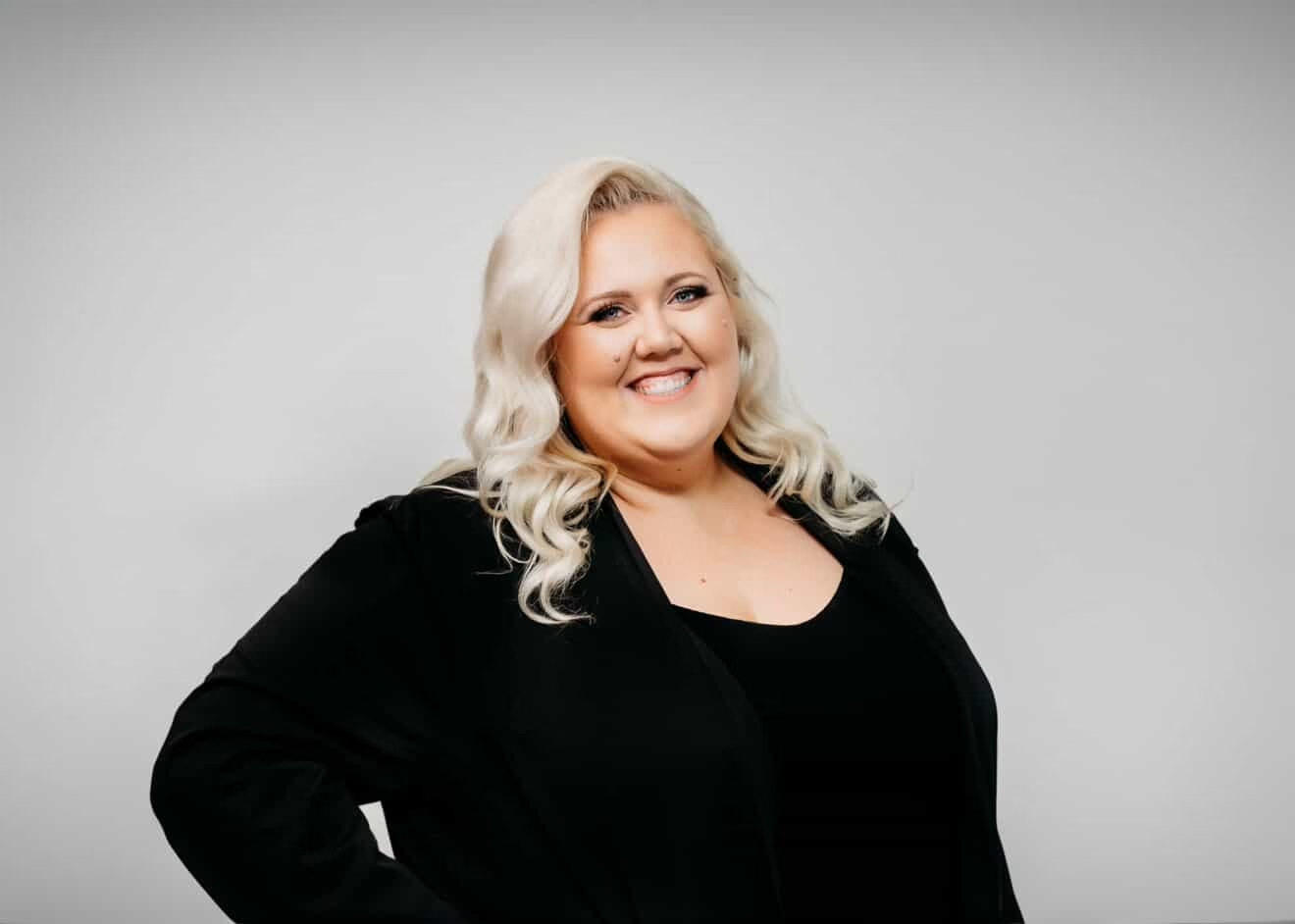
Chloe Hix – CME Experience
- CME-Experience.com
- Instagram: @cme_experience
- Facebook @chloemoseyevents
Lauren Jensen – Gather Well Events
- gatherwellevents.com
- Instagram: @gatherwellevents
Victoria Martens – VEVENTS
- veventspnw.com
- Instagram: @vevents_pnw